
A patron saint is a saint venerated as a special protector or intercessor – a mediator, of sorts – between God and the person calling on or praying to the saint. Individual persons, occupations, churches, dioceses, countries, or particular problems may be under the protection of patron saints.
Saints usually become patrons of countries, professions, and special needs through popular devotion rather than by any official designation. They may be closely associated with the history of a country, or have been engaged in some form of work associated with a particular profession, or have performed certain ministries or healings related to special needs. Sometimes, however, the connection is difficult, if not impossible, to determine.
In the early Church, veneration of the original disciples of Jesus and of martyrs became widespread. Soon, persons who suffered for the faith (confessors) but who were not martyred were also venerated. After the era of persecution subsided, virgins, hermits, and monks were honored as saints. In time, holy persons who led exemplary Christian lives, especially those who practiced rigid morality and penance in the spirit of the martyrs, were added to the list.
Over the course of centuries, the number of persons proclaimed as saints by the faithful grew to enormous proportions. Each locality had its own list of saints and devotions to them. Abuses arose and the Church established a process whereby a bishop made the final decision after studying a biography and an account of miracles presented to him. If the bishop approved, the person was declared a saint and a feast day was assigned in that diocese or province, usually the anniversary of their death.
The custom grew of asking the pope to formally approve the canonization, since papal approval had greater prestige than that of bishops. In 993, Ulric of Augsburg (d. 973), a bishop, was declared a saint in the first papal canonization, by Pope John XV. Gregory IX formalized the process and in 1234 papal canonization became the only legitimate form of canonization. Veneration of the saints was one of the controversial practices rejected by the Protestant Reformers because it seemed to detract from devotion to Christ.
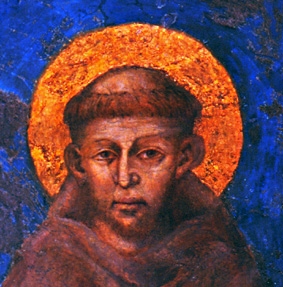
A saint is a person who is recognized as having an exceptional degree of holiness or likeness or closeness to God. While the English word saint originated in Christianity, historians of religion now use the appellation "in a more general way to refer to the state of special holiness that many religions attribute to certain people" ... Read more at Wikipedia.